
We built a free 16-minute course that follows one vanilla deal from a Lyon buyer's first message to commission paid. This page is the written companion. Vanilla behaves like nothing else you will trade, so the notes lean hardest on the product itself.
Why the price is what it is
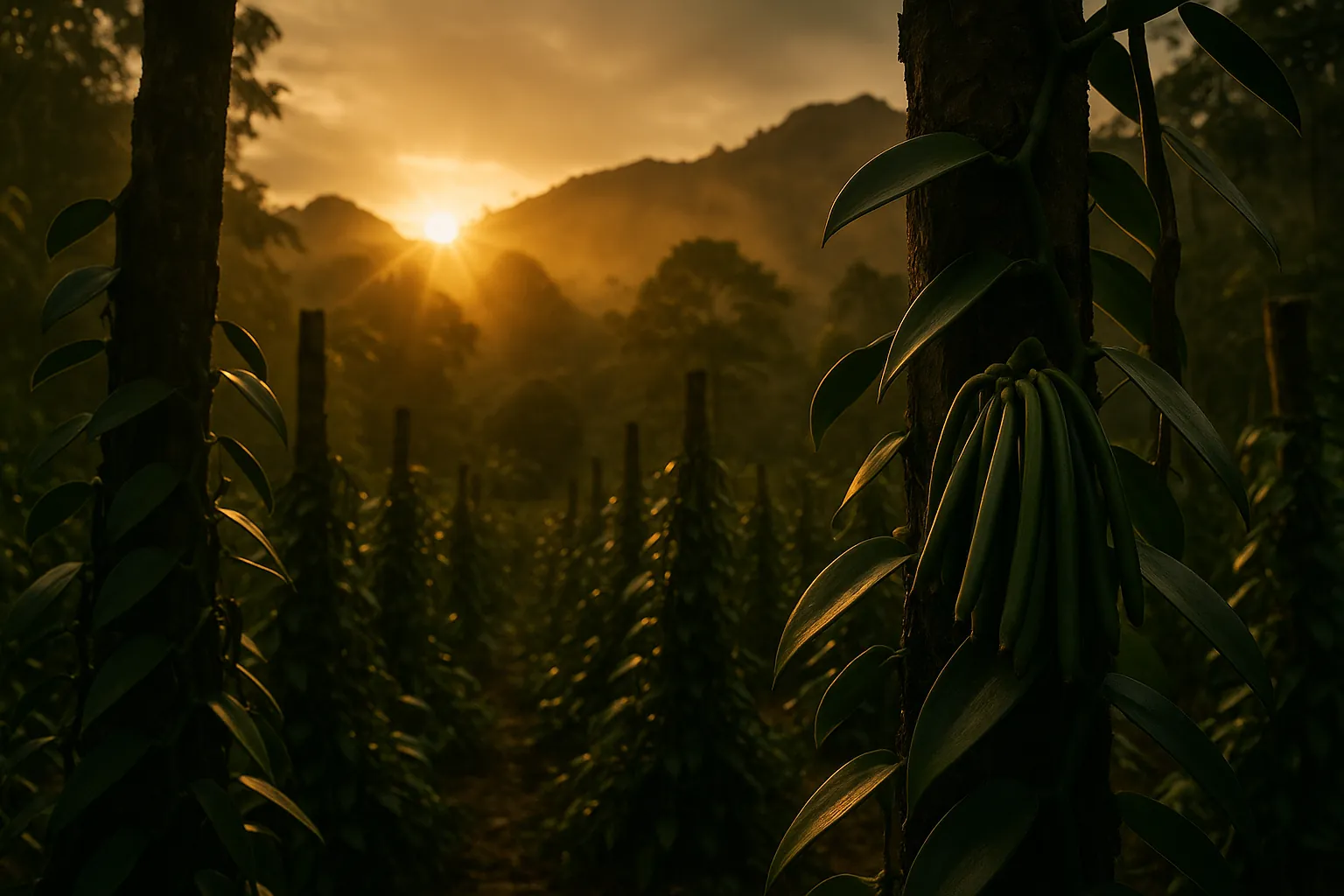
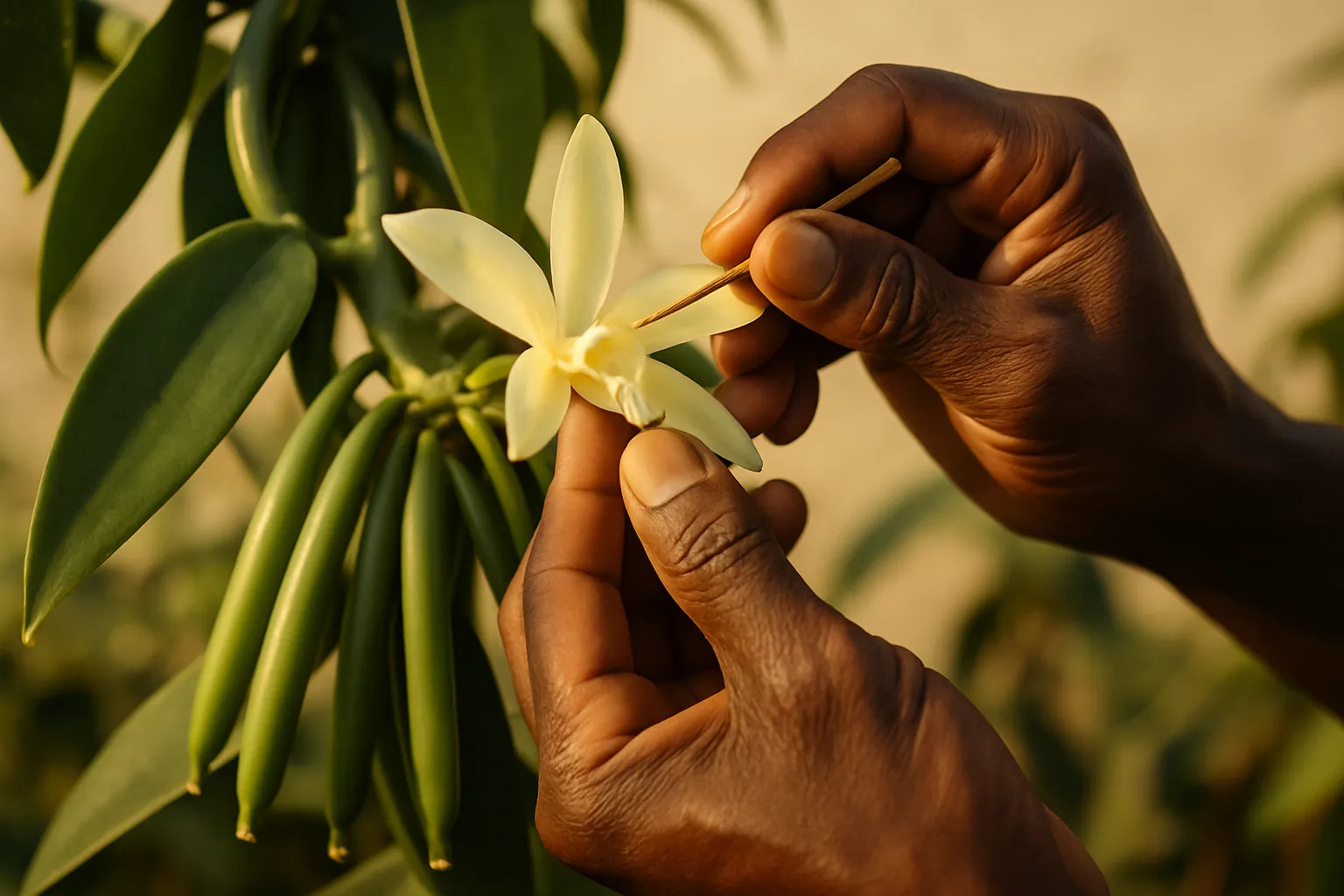
Vanilla is an orchid, the only one that gives us food. The vine needs around three years before it flowers at all. Each flower then opens for a single morning, and because reliable natural pollinators exist only in its native range, essentially every commercial flower on earth is pollinated by hand, one at a time, with a sliver of bamboo. The bean ripens on the vine for about nine months after that.
The fact that separates people who know vanilla
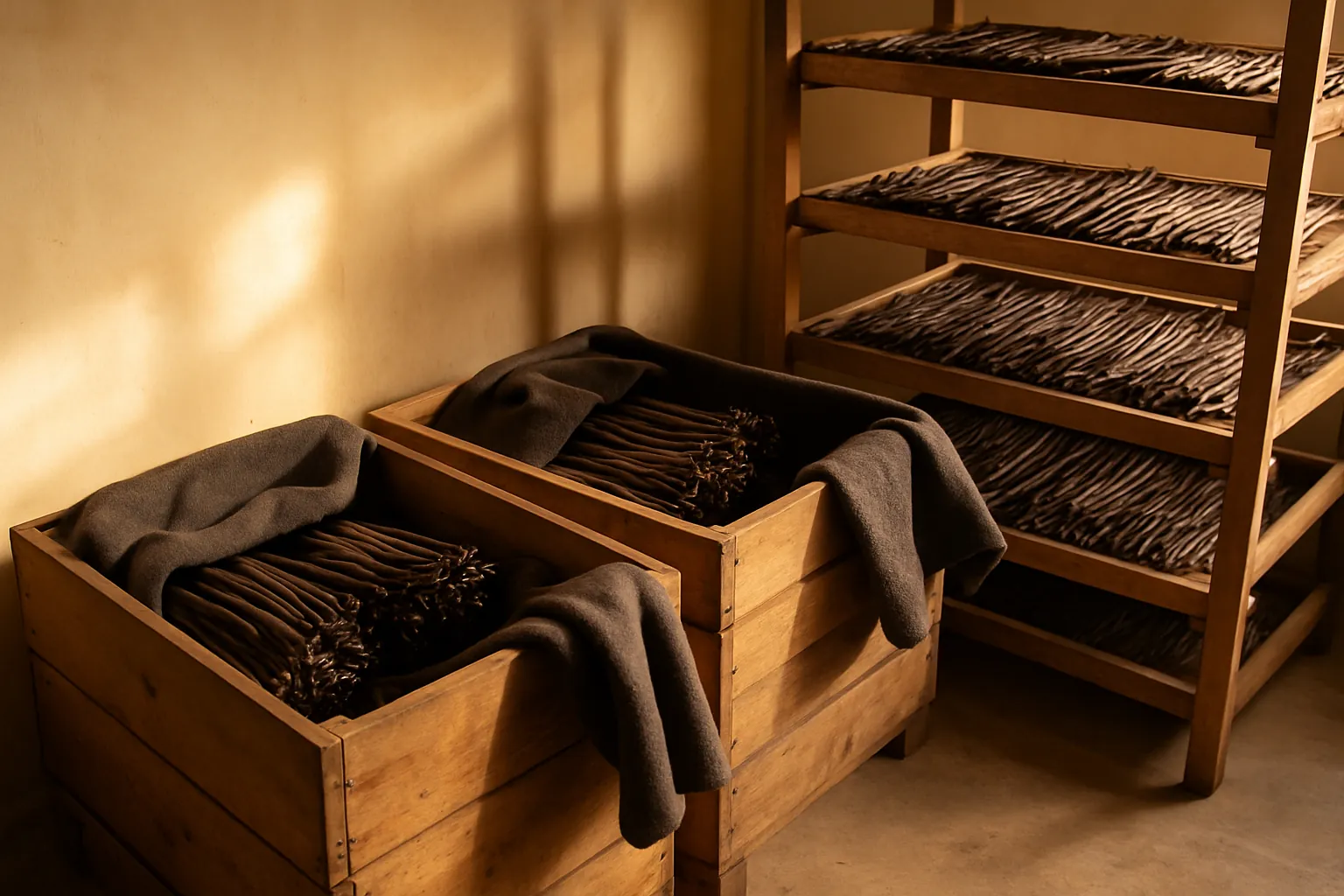
A green vanilla bean barely smells of vanilla. The aroma is not waiting in the plant; it is developed afterwards by curing, which means the curer makes the value or destroys it. The Bourbon method runs four stages: killing in hot water, sweating warm under blankets for a day or two, drying over weeks of alternating sun and shade, then conditioning for months in closed boxes. Three to six months in total, and roughly five or six kilos of green beans become one kilo of cured vanilla.
Madagascar and Uganda
- Madagascar is the dominant, price-setting origin, most of its crop from the northeast region traders call SAVA. Its profile is the reference the trade measures against: rich, sweet, creamy, faintly rum-like.
- Bourbon is a geography, not a species. It means Vanilla planifolia grown on the Indian Ocean islands.
- Uganda grows the same species and grows it well, but being mainland it sits outside the island appellation, so the trade calls it Bourbon-type. Its beans often read bolder, woodier, more chocolatey.
- Madagascar harvests once a year; Uganda declares two harvest periods, roughly half a year apart, with dates set annually.
- A harvest date describes green beans. What actually ships is cured stock, which is a different question and months later.
The two numbers in every contract
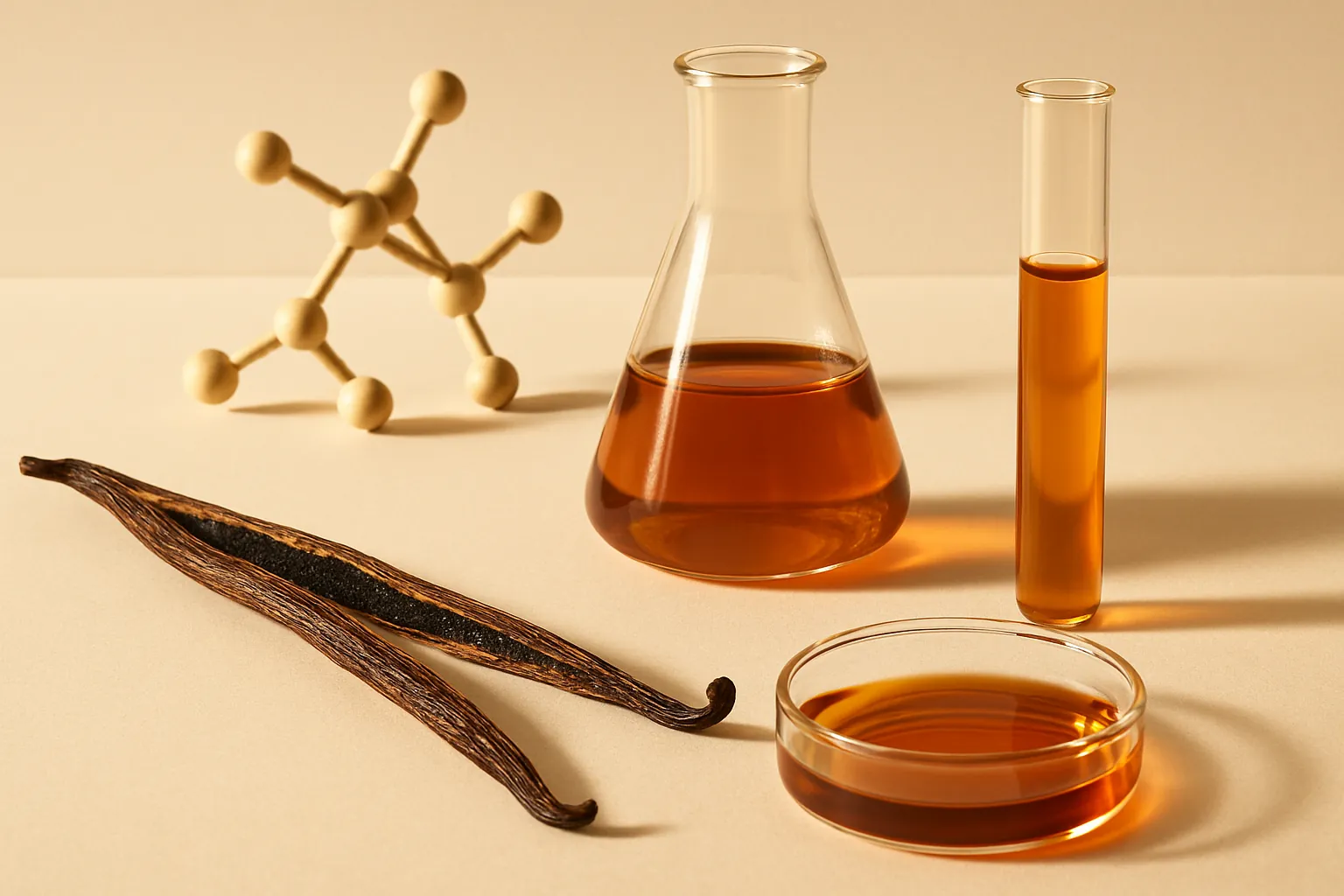
Vanillin content, the aroma compound itself, normally reported on a dry basis, with well-cured Bourbon-type beans typically landing somewhere between roughly one and a half and two and a half per cent. And moisture, which is both a quality question and a price question, because moisture is water bought by the kilo. Gourmet grades commonly sit around 30 to 35 per cent. Compare lots on moisture-adjusted content and vanillin together, not on price per kilo alone.
Vanilla is heavily adulterated
Beans get soaked in cheap synthetic vanillin to fake strength. Where adulteration is suspected, specialist laboratories run isotope-ratio and compositional analysis that can indicate whether the vanillin genuinely came from a plant. You will never run that test yourself. You need to know it exists and to work with suppliers who do not flinch when a buyer asks for it.
Chapter guide
- 0:06 What business are you actually entering
- 0:47 From vine to buyer
- 1:27 The orchid that must be pollinated by hand
- 2:30 Green beans have no smell: the cure
- 3:33 Madagascar and Uganda
- 4:47 Grades: gourmet, extraction, and the water you pay for
- 6:05 Vanillin, moisture, and the world's most faked flavour
- 7:10 How vanilla is priced
- 8:25 Verify the supplier
- 9:18 Turning an inquiry into a deal
- 10:22 Payments, terms and risk
- 11:37 Vanilla flies: freight, mould and lead time
- 12:39 Documents, and the one that is not a key
- 13:40 Who is allowed to export
- 14:33 How not to get scammed
Watch the full course and read the related guides:
Related reading
Leave a Comment
Your email address will not be published.